Serial to Ethernet Connector Case Study: Reliable Sensor Data Sharing for an Arctic Underwater Observatory

Today we will read the story on how our client Dr. Markus Brand from Centre for Scientific Diving uses virtual COM ports to support integrated optical and hydrographic monitoring at the AWIPEV fjord observatory.
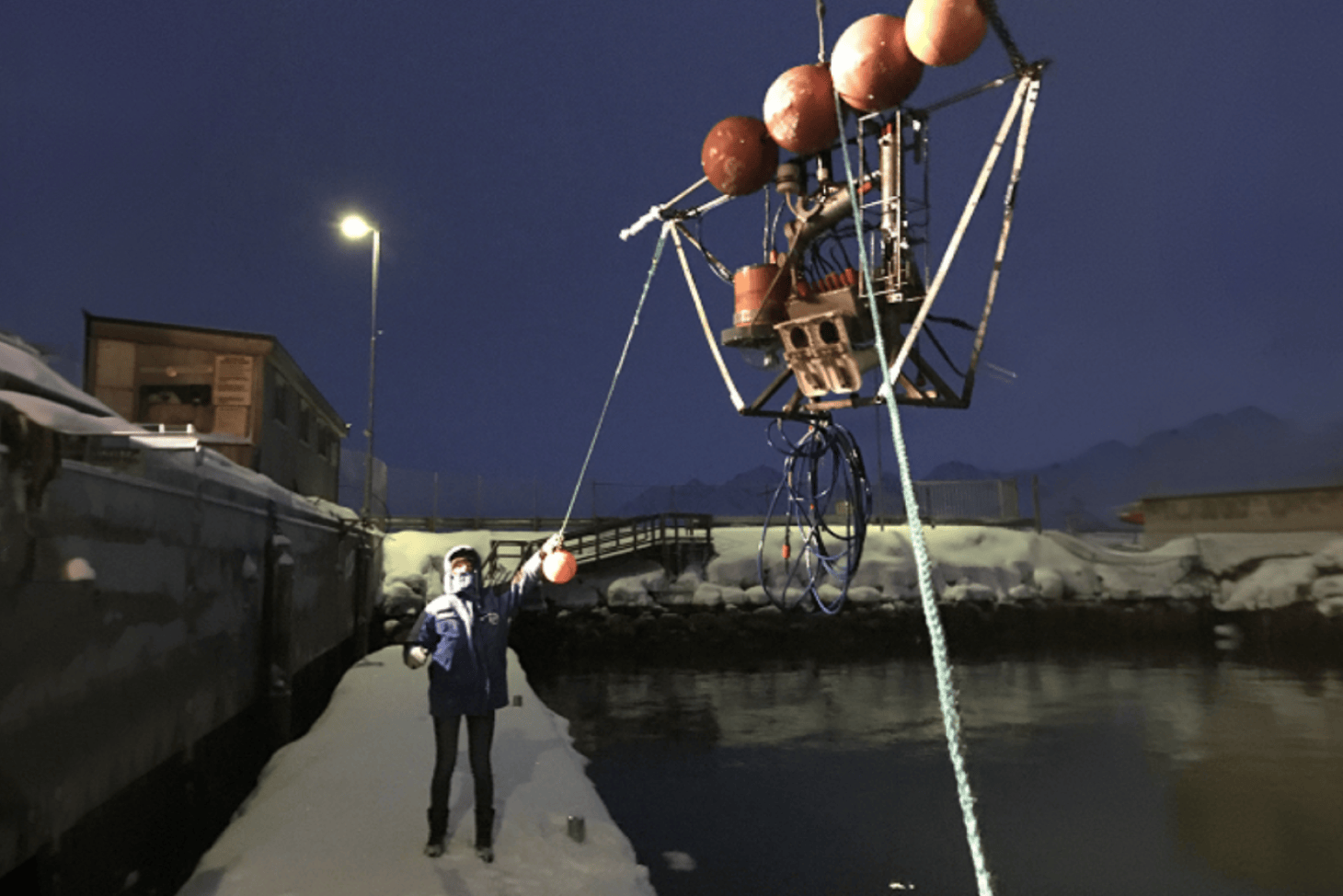
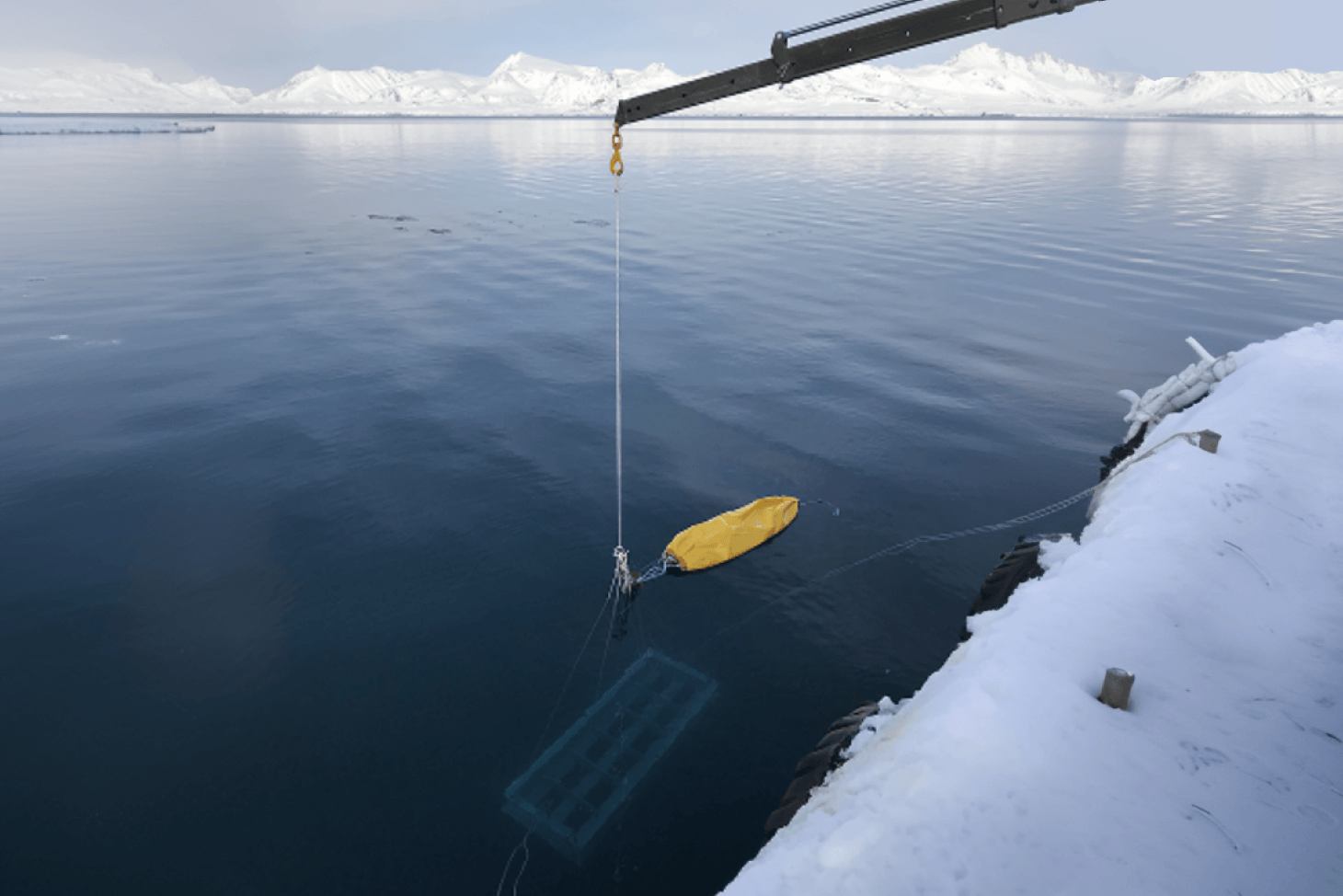
The Alfred Wegener Institute (AWI) operates advanced underwater observatory systems within the COSYNA framework to support long-term marine monitoring and sensor integration in demanding environments. One important application is the Arctic component of this observatory infrastructure, the AWIPEV fjord observatory at 79°N, where instruments operate under extreme polar conditions and provide unique insights into Arctic ecosystems.
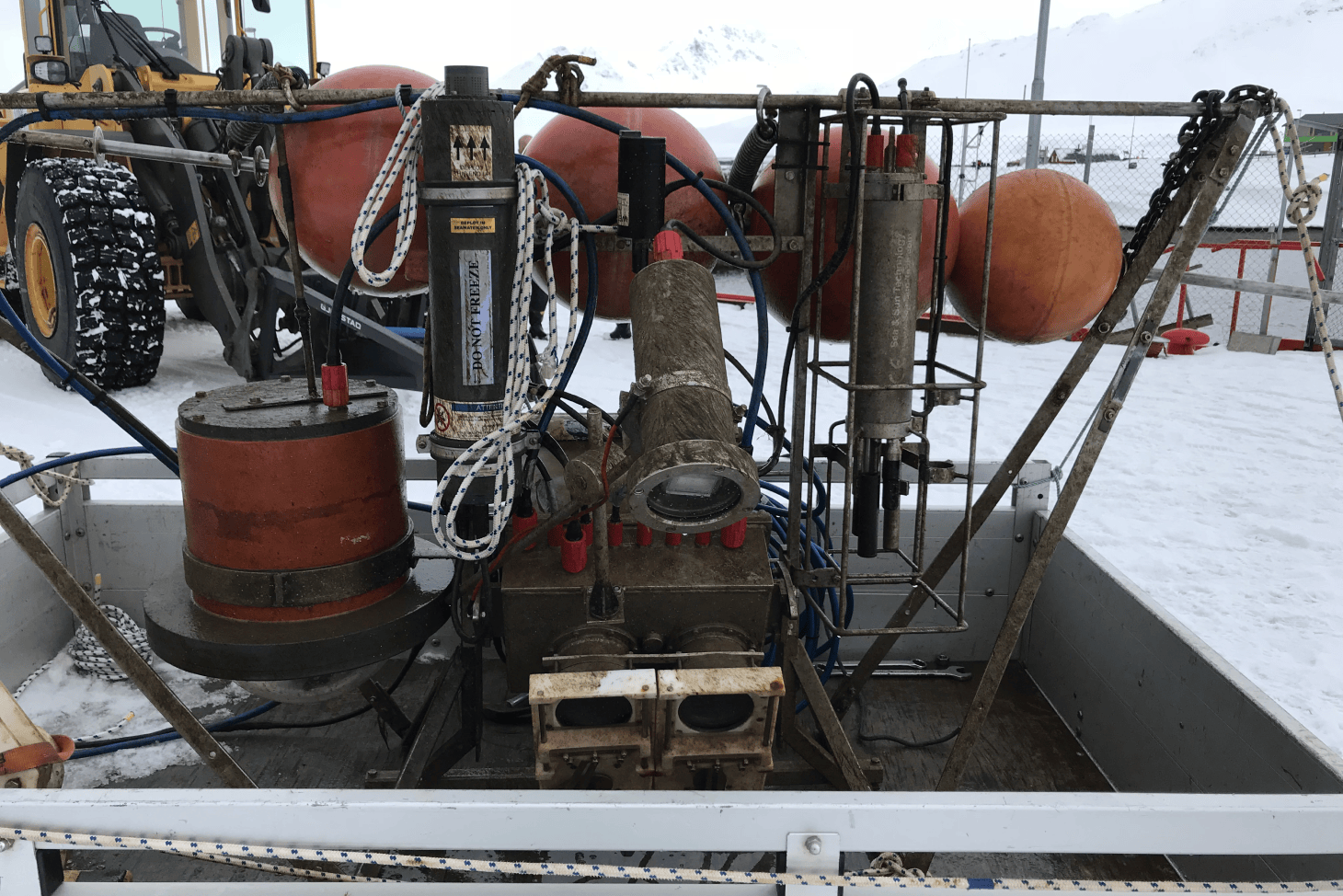
In this setup, a vertically profiling REMOS stereo fish camera integrates both optical and hydrographic sensors. The optical sensors are managed on one virtual machine, while the hydrographic sensors are handled on another. For reliable image acquisition, the exposure of the optical system must be adjusted continuously to ambient underwater light conditions. This makes it necessary to provide the real-time data stream from the PAR sensor not only to the hydrographic VM, but also to the optics VM.
The challenge was that the connection between the serial sensor interfaces and the virtual machines is established through a point-to-point serial-to-TCP/IP converter. While this architecture is robust for serial communication, it does not natively allow one serial data stream to be shared between multiple virtual machines.
To solve this, AWI uses Serial to Ethernet Connector to create virtual COM ports and forward the PAR sensor data stream from one VM to another. This makes it possible to share critical sensor data across separate virtual environments without modifying the existing hardware architecture.
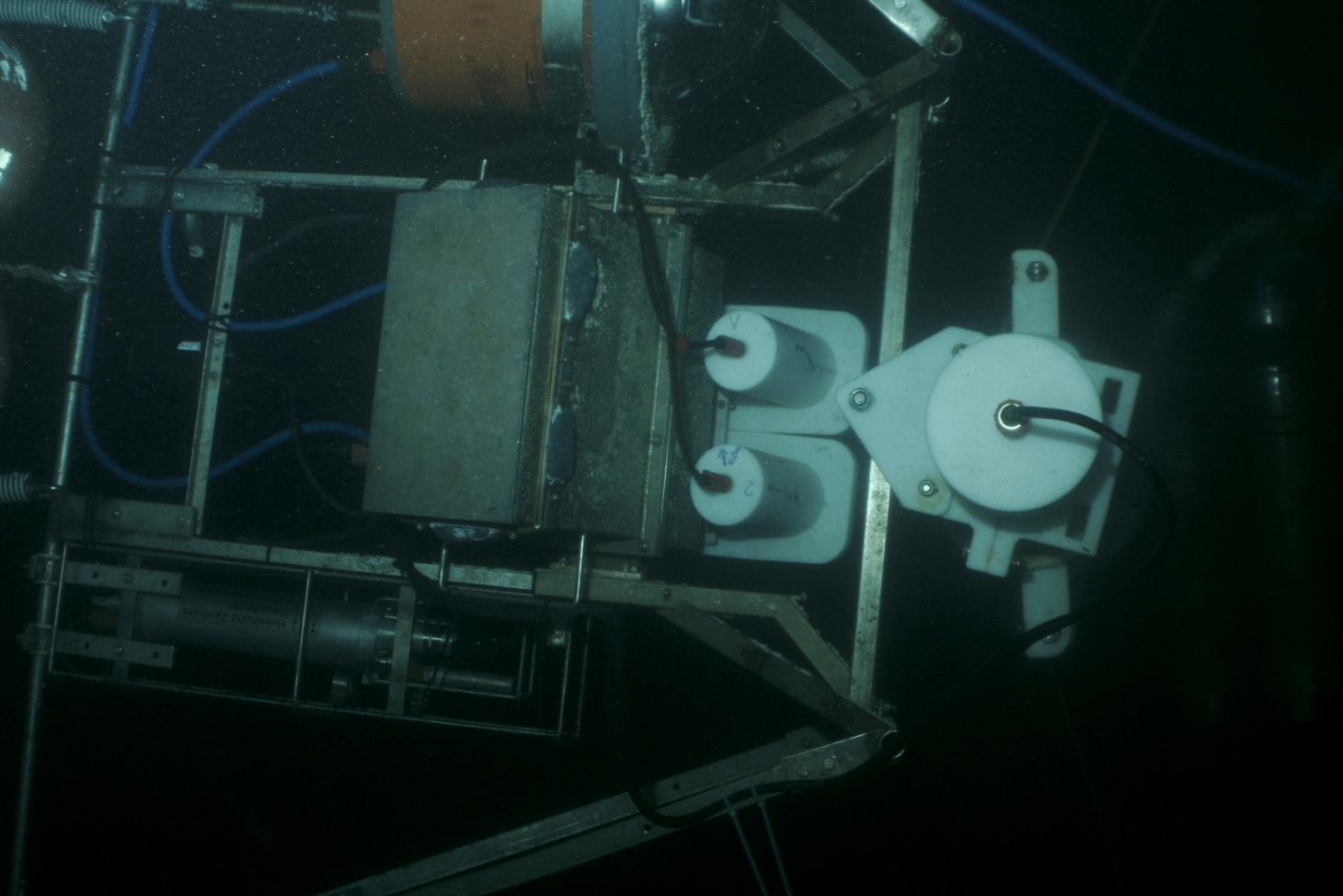
As a result, the optical VM can use live PAR data for correct exposure control, while the hydrographic VM continues to manage its own sensor acquisition independently. This solution supports the combined use of optical and environmental data streams within a stable, long-term observatory workflow and enables reliable marine observations in a challenging Arctic setting.
We are very happy to help in this challenging research, and we hope more scientists will rely on our technology in their important tasks.